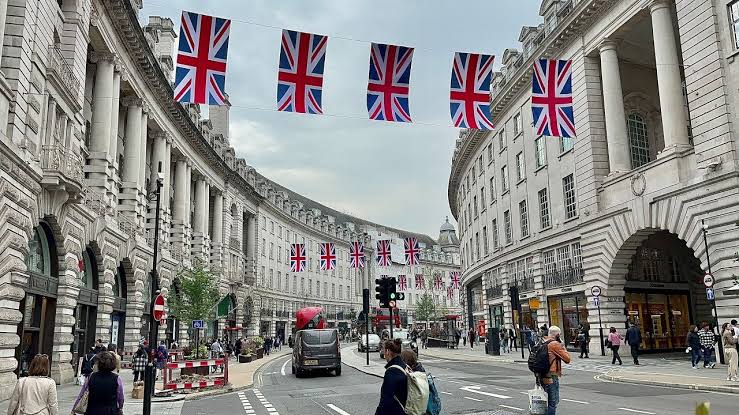
The UK Government plans to give mayors in England powers to introduce an overnight visitor levy on tourists, allowing local leaders to impose a percentage-based charge on hotels, bed and breakfasts and other accommodation.
Under the proposals, the levy would be uncapped and calculated as a percentage of accommodation costs rather than imposed as a flat fee. Local leaders would decide whether to introduce the charge and how revenue raised through it would be reinvested.
The proposed powers would create a new potential local tax cost for England's hospitality and tourism sectors where authorities choose to introduce the levy. Mayors and leaders of Foundation Strategic Authorities, which cover some regions without a mayor, would need to clarify by March 2028 how they would spend revenue generated through the measure.
UKHospitality has opposed the proposals, with chief executive Allen Simpson estimating that the levy could add £100 to £120 on average to the cost of a family holiday in England. Simpson also warned that the additional cost could affect holiday parks operating during shoulder seasons and leave visitors with less money available for other spending.
Conservative shadow housing secretary David Simmonds criticised the proposals in the context of the existing 20% VAT rate on hotels and argued that VAT would also apply to the tourism tax.
The Overnight Visitor Levy was outlined in the King's Speech in May but has not yet been brought forward in Parliament. Further details are due after Housing Secretary Angela Rayner meets mayors virtually at No 10 North on Thursday afternoon.
Mayor of London Sir Sadiq Khan has backed faster implementation of the new powers. Paul Swaddle, leader of Westminster City Council, raised a separate issue over how potential proceeds would be distributed, warning that Westminster residents and businesses would receive no benefit if Khan did not share some of the revenue with councils.
England already has voluntary visitor-charge arrangements in Manchester and Liverpool, although these are business-led schemes rather than charges imposed directly by regional mayors. Manchester operates a £1 per room, per night City Visitor Charge, while Liverpool has a £2 nightly charge. Participating hotels pool the proceeds to support local tourism.
The proposed English framework would also sit alongside visitor-levy arrangements elsewhere in the UK. Scottish local authorities can charge a visitor levy on overnight accommodation. Edinburgh introduced a 5% tourist tax in July covering hotels, bed and breakfasts and self-catering accommodation, capped at five nights.
Wales is set to introduce a capped levy of £1.30 per person per night in April next year, with individual local authorities deciding whether to implement it. Tourist taxes are also used internationally, with New York, Amsterdam and Rome applying overnight accommodation charges to fund local services, while several European cities cap their levies.
The financial effect of the proposed English system would depend on whether local leaders choose to use the new power and the levy they introduce. For accommodation businesses in areas where a charge is adopted, the measure would add a new local tax component to the cost of overnight stays, while authorities would determine how the resulting revenue is reinvested.


