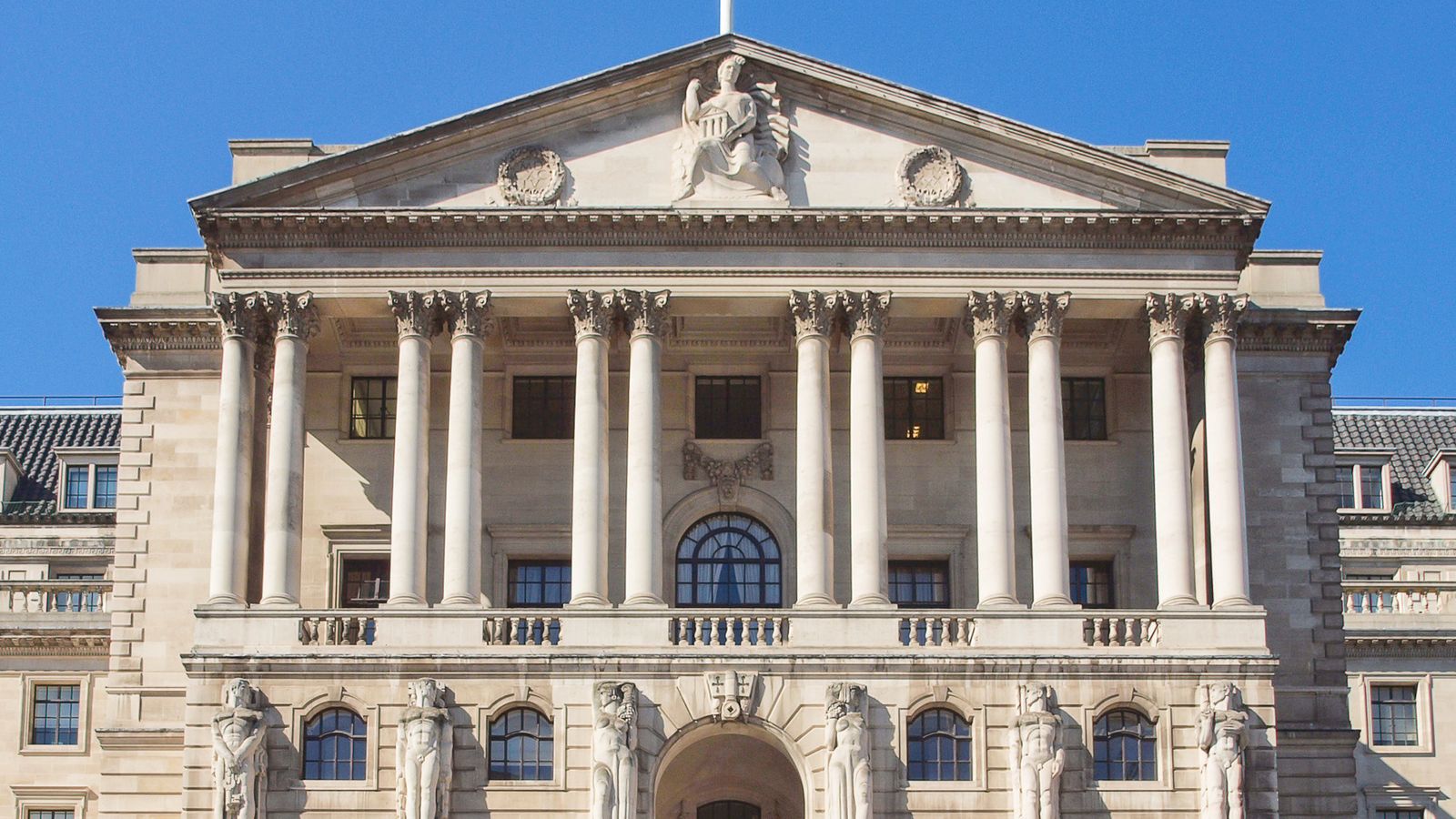
The Bank of England's Prudential Regulation Authority has opened a review of prime brokerage operations run out of London by major investment banks, focusing on whether lenders are building up overly concentrated exposure to Asian equities tied to the artificial intelligence sector.
Prime brokerage units at banks operating in the UK routinely finance the Asian holdings of hedge funds and other institutional clients. That business has expanded quickly as valuations of AI-linked companies have climbed, lifting the value of client positions and encouraging additional borrowing against them.
Investors have been directing capital toward Asian firms that supply infrastructure to the AI semiconductor industry, among them South Korea's SK Hynix, Taiwan's TSMC and China's Cambricon Technologies. The scale of that demand was evident this week when shares in Chinese memory-chip maker CXMT rose 466 per cent after listing in Shanghai on Monday, a move that briefly pushed its market value above that of Hong Kong-listed Tencent, making it China's most valuable company for a period. The same volatility cut the other way for SK Hynix, whose shares fell around 15 per cent on Tuesday, erasing more than $100bn from its market value.
Banks have benefited financially from the surge in financing activity tied to these positions. The Asia region could this year overtake Europe in terms of revenues for banks including Goldman Sachs, JPMorgan Chase and Morgan Stanley.
The PRA's concern centres on concentration risk: a growing share of UK-based prime brokers' exposures sitting within a narrow group of AI-related names, raising the risk that a sharp reversal in a handful of stocks could hit multiple lenders simultaneously. Supervisors are also examining whether clients are adding leverage through options positions in Asian markets, and whether some are funding trading activity by raising capital from Asian retail investors, a base that could withdraw quickly if sentiment turns.
The review's outcome remains open. Depending on what supervisors learn from discussions with banks and investors, the BoE could write directly to chief risk officers at affected lenders, or a senior official could address the concentration risk publicly if regulators want to signal concern across the sector rather than to individual firms. Where the PRA identifies risk at only a small number of banks, it is more likely to pursue the matter through direct supervisory conversations.
Where the PRA finds exposures excessive, its existing toolkit allows it to raise the amount of liquid assets a prime broker must hold, a step available before any formal findings from the review are published.